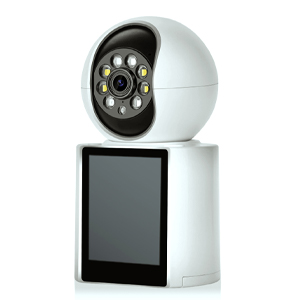
From smart thermostats to wearable health trackers and connected cars, the Internet of Things (IoT) has rapidly become a part of our daily lives. While the convenience of these devices is undeniable, the security and privacy concerns they bring are just as real — and, frankly, pretty scary.
Here’s a breakdown of the biggest IoT security and privacy challenges today, and why they should matter to anyone using connected tech.
Many IoT devices ship with factory-set usernames and passwords — often “admin” or “1234.” Shockingly, a lot of users never bother to change them. This creates an open door for hackers to gain unauthorized access.
Why it matters:
Once a hacker gets in, they can spy on you, steal your data, or even use your device to launch attacks on other systems (like a botnet in a DDoS attack).
Pro tip: Always change default credentials when you set up your device. Use strong, unique passwords and enable two-factor authentication when possible.
Many IoT devices don’t get frequent firmware updates, unlike smartphones or computers. Even worse, some manufacturers stop supporting their devices just a year or two after release.
Why it matters:
Without updates, known security vulnerabilities remain wide open. That’s like leaving your front door unlocked even after a break-in.
What you can do: Stick with reputable brands that commit to long-term security updates, and check if a device supports over-the-air (OTA) updates before you buy.
Many IoT devices transmit sensitive data — think security cameras, baby monitors, or health trackers. But not all of them encrypt this data properly when sending it over the internet.
Why it matters:
Unencrypted data can be intercepted and read by bad actors. That includes footage from your home camera or private health data from your fitness device.
How to stay safe: Ensure the devices you use rely on end-to-end encryption and secure communication protocols (like HTTPS or TLS).
Some IoT devices collect more data than they need — your location, behavior patterns, or even voice recordings. Often, this data is stored in cloud servers without your explicit knowledge or consent.
Why it matters:
Your personal information can be used for targeted ads, sold to third parties, or exposed in a data breach.
What you should do: Always read privacy policies (yes, even the boring ones), disable data-sharing settings when possible, and opt for devices that offer clear data controls.
Unlike smartphones or PCs, there’s no universal security standard for IoT devices. This inconsistency means some products may be rock-solid, while others are downright risky.
Why it matters:
In a smart home setup, one vulnerable device can compromise your entire network.
The fix: Look for devices certified by reputable cybersecurity or tech organizations. If you're running multiple smart devices, consider using a separate network (like a guest Wi-Fi) for IoT gadgets.
Unlike digital-only threats, IoT devices are physical — they can be stolen, tampered with, or reset. A stolen smart camera or GPS tracker could expose your routines, location, or home address.
What to keep in mind:
Place critical devices in secure locations. Enable device lock features, and erase personal data before disposing of or reselling an IoT gadget.
IoT technology is undeniably cool and practical — it saves time, boosts efficiency, and even adds fun to everyday life. But every smart device is also a potential entry point into your private world.
The good news? You don’t have to avoid smart tech entirely — just use it smartly.
Key takeaways:
Change default passwords.
Choose devices with regular updates.
Pay attention to data encryption.
Be mindful of what data is collected.
Buy from brands that take security seriously.
With a bit of awareness and action, you can enjoy the benefits of IoT without sacrificing your privacy or security.
Copyright © 2023 INSEETECH LIMITED. All Rights Reserved.