When considering a car camera, one of the most crucial factors to examine is its battery life, typically indicated by the unit mAh. But what exactly is mAh, and how does it influence your car camera’s performance? In this article, we'll delve into the concept of mAh, compare common types of car camera batteries, and explore how mAh values relate to real-world usage.
What is mAh?
mAh, or milliampere-hour, is a measure of a battery's energy capacity. Specifically, it indicates how much charge a battery can hold and, consequently, how long it can power a device. A higher mAh rating generally means a longer battery life under similar usage conditions, which is crucial for car cameras that need to operate continuously for extended periods.
How mAh Affects Battery Life?
The mAh rating directly impacts how long a car camera can function between charges. For instance, a camera with a 2000mAh battery may last several hours of continuous recording, while a camera with a 3000mAh battery could offer even longer usage time. However, other factors like power consumption, the camera's features (e.g., night vision, Wi-Fi), and environmental conditions also play a significant role in determining actual battery life.
Common Car Camera Battery Types
Lithium-Ion (Li-ion) Batteries
Li-ion batteries are the most commonly used in car cameras due to their high energy density, meaning they can store a significant amount of energy in a relatively small and lightweight form. They typically have high mAh ratings, offering extended usage times. Li-ion batteries are ideal for users who require a long-lasting camera, especially for continuous recording or when using power-intensive features like night vision or Wi-Fi.
Advantages:
Disadvantages:
Nickel-Metal Hydride (NiMH) Batteries
NiMH batteries are another option, known for their safety and durability. They tend to have a lower mAh rating compared to Li-ion batteries, which means they may not last as long between charges However, they are more stable under extreme temperatures and are often used in environments where durability is a priority overextended battery life.
Advantages:
Disadvantages:
mAh and Real-World Performance
While the mAh rating indicates potential battery life, actual performance depends on several factors, including the camera's power consumption, the features being used, and environmental conditions. For example, continuous recording, especially with high-resolution video or night vision features, will drain the battery faster than intermittent use.
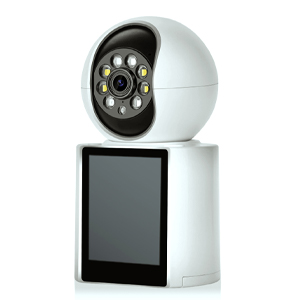
A car camera with a 3000mAh battery, like the INSEETECH 1080P Wireless Magnetic Backup Camera, can continuously operate for up to 7 hours. However, if used in standby mode, it can last up to 90 days, demonstrating how different usage scenarios can significantly impact battery life. The high mAh rating makes it suitable for users who need a reliable, long-lasting camera, particularly for extended trips or regular use.
Understanding mAh and the type of battery your car camera uses is key to choosing the right device for your needs. Whether you prioritize long battery life with a Li-ion battery or prefer the durability of a NiMH battery, knowing how mAh affects performance will help you make an informed decision. For those looking for a dependable option, the Inseetech 1080P Wireless Magnetic Backup Camera provides a well-balanced solution with its high-capacity battery and practical features.
Copyright © 2023 INSEETECH LIMITED. All Rights Reserved.