Watching a loved one navigate the journey of Alzheimer's disease is a profound challenge. Their safety becomes a constant, gnawing concern. The world, once familiar, turns into a landscape of potential hazards—from wandering to forgotten appliances. While traditional safety measures are essential, modern technology offers an unprecedented layer of security and peace of mind, allowing for both safety and dignity.
This guide outlines a comprehensive, multi-layered approach to Alzheimer's safety, moving from the foundational to the technologically advanced.
Before introducing any technology, the first step is to create a safe and intuitive physical space. This is about prevention.
Minimize Clutter and Tripping Hazards: Ensure clear pathways. Secure loose rugs and tidy electrical cords.
Simplify and Secure:
Kitchen: Install automatic shut-off switches for stoves and appliances. Lock away sharp knives and toxic cleaning supplies.
Bathroom: Set the water heater to a safe temperature (below 120°F or 49°C) to prevent scalding. Use non-slip mats and grab bars.
General: Use childproof locks on cabinets containing medicine, alcohol, or dangerous items. Cover electrical outlets.
This is where smart, unobtrusive technology creates a 24/7 safety net without feeling like a prison.
1. Strategic Video Monitoring:
Purpose: Not for constant surveillance, but for check-ins and alerting.
Implementation: Place cameras in common areas like the kitchen (to monitor stove use) and living room. Avoid bathrooms and bedrooms to preserve privacy.
Tech Advantage: Modern systems offer:
AI-Powered Alerts: Receive a notification on your phone if the camera detects a person falling or unusual activity during nighttime hours.
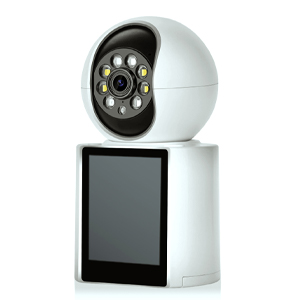
Two-Way Audio: Calmly speak to your loved one through the camera if you see them becoming anxious or attempting something unsafe.
2. Environmental Sensors (The Unsung Heroes):
Door and Window Contact Sensors: These are your first line of defense against wandering. Receive an immediate alert when an exterior door or window is opened.
Smoke, Carbon Monoxide, and Water Leak Detectors: Smart detectors don't just sound an alarm; they send an alert to your phone, allowing you to respond instantly, even if you're not home.
Motion Sensors: Placed in hallways, these can detect movement patterns. You can be alerted if there is no movement during typical waking hours (suggesting a potential fall) or excessive movement at night.
3. Medication Management Systems:
Tech Solution: Automated pill dispensers with alarms and locked compartments. The most advanced models can notify you via an app if a dose is missed, removing the guesswork and ensuring critical medication is taken on time.
 |
Video Calling Indoor Camera 2K Two-Way Video Calling Indoor Camera with 2.8-Inch IPS Screen, Baby/Elder/Dog/Pet Camera with Phone App, One-Button Call, Human/Sound/Crying Detection, Color/IR Night Vision |
Wandering is one of the most dangerous behaviors associated with Alzheimer's. Technology provides solutions that range from simple to sophisticated.
1. GPS Tracking Devices:
Wearables: Look like watches or pendants. They allow you to set up "safe zones" (geofences). If your loved one wanders beyond this zone, you receive an alert and can see their real-time location on a map on your smartphone.
Non-Wearable Options: Small, clip-on devices that can be attached to a shoe or clothing item for individuals who resist wearing a watch.
2. Personal Emergency Response Systems (PERS):
The classic "I've fallen and I can't get up" button has evolved. Modern PERS offerings include fall detection (automatically alerting help even if the button isn't pushed), GPS location services, and two-way communication.
Technology is a tool, not a replacement for human care.
Inform Neighbors and Local Police: Give trusted neighbors a recent photo and description of your loved one. File a "Vulnerable Person Registry" form with your local police department so they are aware in case of an incident.
Maintain a Routine: Consistency reduces anxiety and confusion, which is a primary trigger for unsafe behaviors.
Practice Empathy: The goal is to support independence, not to control. Explain safety devices in a positive, reassuring way.
Creating a safe environment for a loved one with Alzheimer's is an act of love. By building a comprehensive plan that starts with home adaptation and is supercharged by smart, thoughtful technology, you can significantly reduce risks. These tools offer more than just safety; they grant you peace of mind, allowing you to focus on the most important thing: your relationship and the moments of connection you still share.
Remember: As the disease progresses, needs will change. Regularly reassess both the physical environment and the technological tools to ensure they continue to provide effective and compassionate support.
Copyright © 2023 INSEETECH LIMITED. All Rights Reserved.